

Research Opportunities
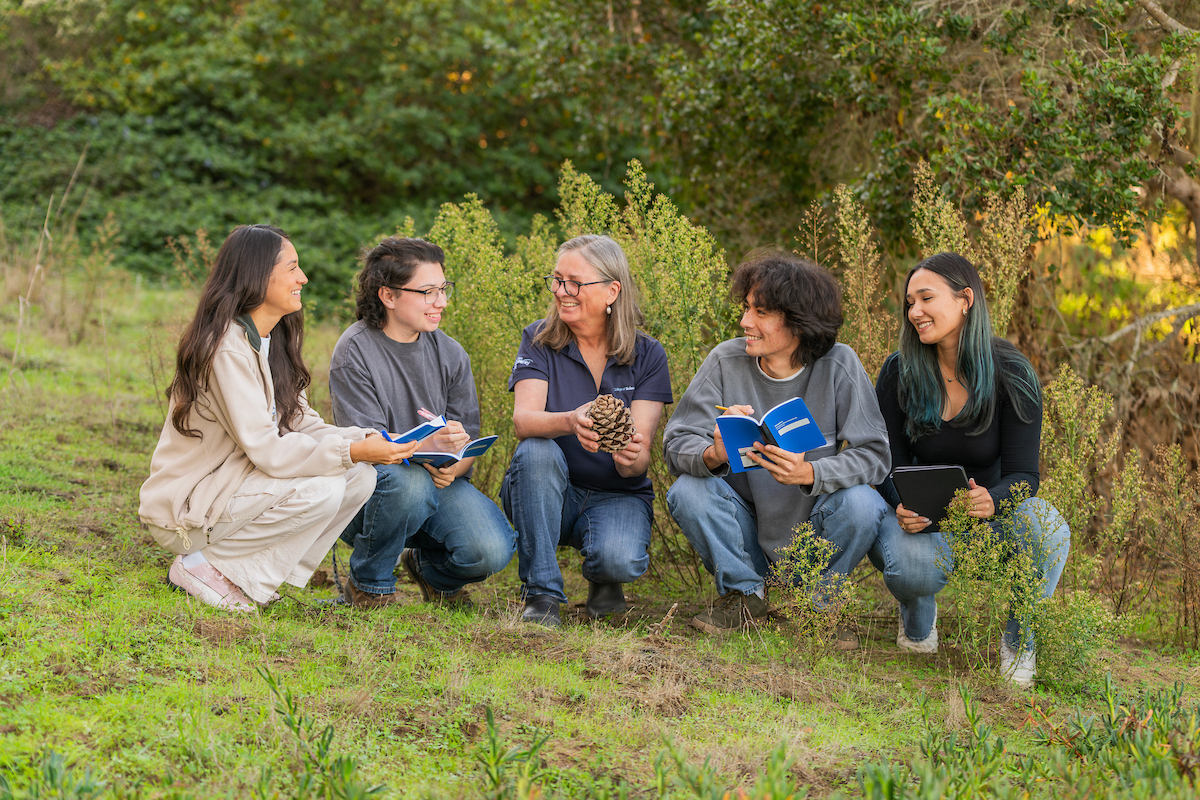
Our faculty bring research and teaching experience in areas such as developmental biology, cell and molecular biology, bioinformatics, genetics, agricultural biogeochemistry and plant pathology. Students also engage with research in genomics, microbiomes, ecology, signal transduction pathways and science communication. Through small classes, fieldwork in nearby coastal and agricultural ecosystems and access to specialized labs, you’ll gain applied skills that connect scientific theory to real-world challenges.
In the Department of Biology, Agriculture and Chemistry, you’ll also benefit from faculty mentors dedicated to your success, preparing you for careers in science, health, agriculture, education and research — or for advanced study in graduate and professional programs.
Research Labs
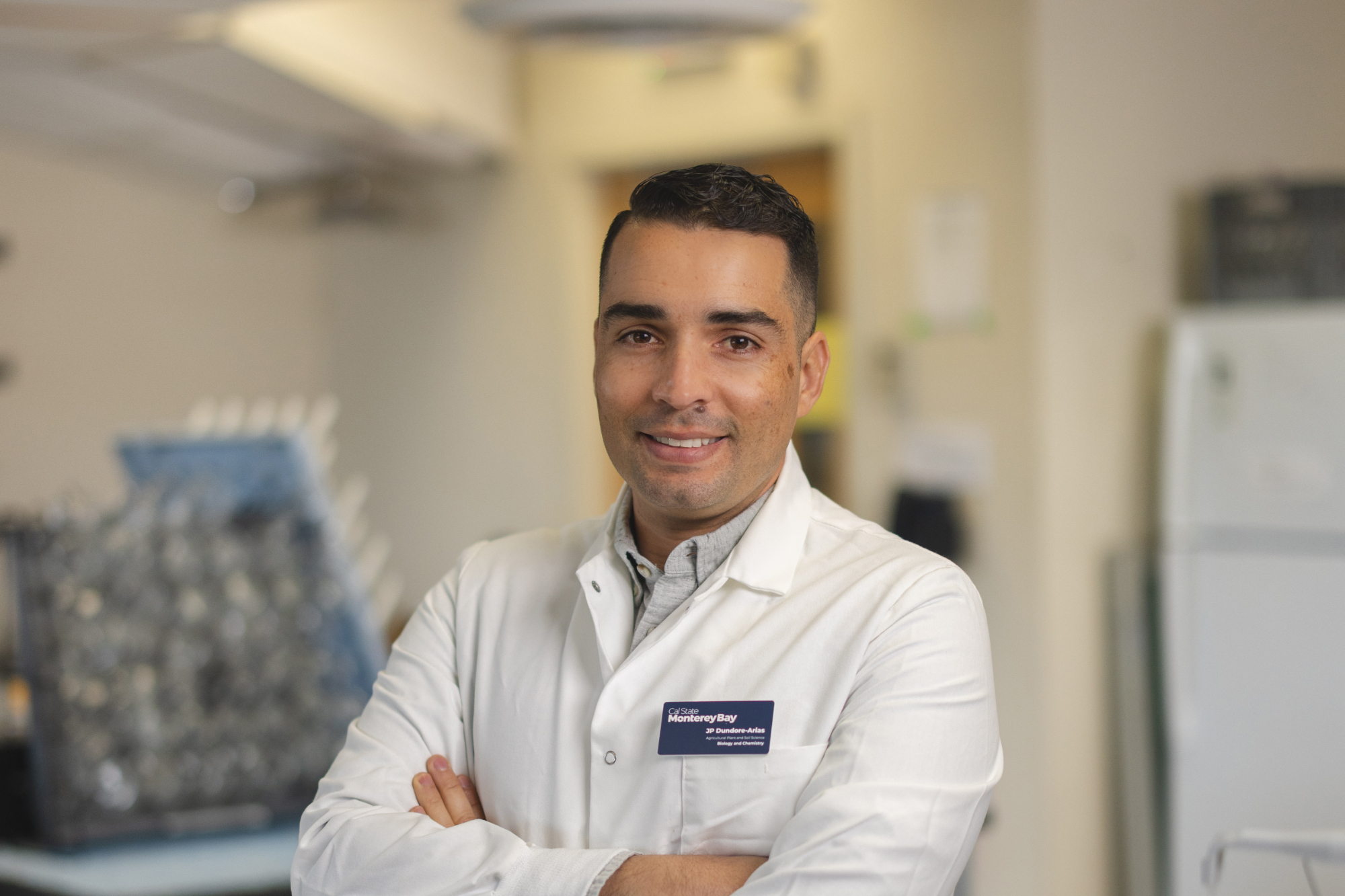
PI: Dr. JP Dundore-Arias
Areas of Research:
Ecology and Management of Plant-Associated Microbes, Biocontrol of Plant Pathogens, Agricultural Microbiomes
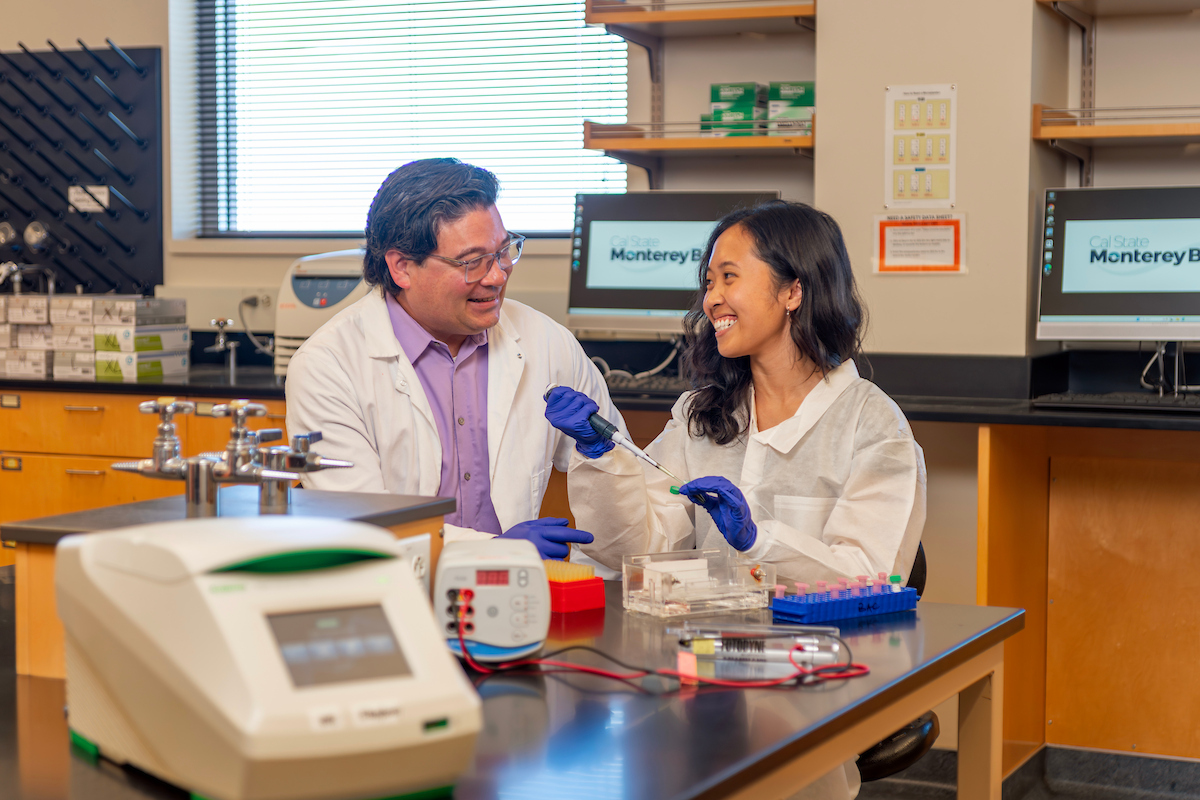
PI: Dr. Nathaniel Jue
Areas of Research:
- Bacterial, functional, and ecological genetics in bioremediation
- Evolutionary genomics of marine species
- Evolution of sex change in fishes
- Evolution of placentation in fishes
With expertise in Evolutionary and Functional Genomics, Bioinformatics, Population Genetics, Evolutionary Biology, and Marine Ecology, Dr. Nathaniel Jue’s Genomics, Genetics, and Bioinformatics Lab uses genomic and bioinformatics approaches to conduct research on biological systems ranging from horseshoe crabs to humans.
His lab’s research is thematically focused on using evolutionary and functional genomics to understand the connection between genotypic and phenotypic diversity. Currently, Dr. Jue is looking to further develop dedicated research projects in the evolution of complex organs (e.g. the placenta) in fishes, the functional and ecological genetics of bacteria, the genetics underlying reproductive strategies in fish, computational cancer systems biology, and the evolutionary genomics of marine species.
Connect with Dr. Jue!
 PI. Dr. Arlene Haffa
Areas of Research:
Agricultural Biogeochemistry
USDA Partnership for Climate-Smart Commodities: California Cool Season Specialty Crops
Arlene Haffa is a Professor in the Department of Biology, Agriculture and Chemistry at Cal State Monterey Bay. She is broadly trained as a scientist and has written peer-reviewed manuscripts in a wide variety of disciplines. Her first publication was as an undergraduate attending the University of Wisconsin-Madison where she studied lipoprotein turnover in dogs. She spent one year as an analytical chemist in an EPA lab in Annapolis, MD, and then returned to Madison to earn a Masters in Veterinary Science. She did biomedical research at both the Veterinary and Medical Schools for a number of years at the nexus of cancer, obesity, and immunology, and later on osteoporosis. After relocating to Phoenix, AZ, she earned her doctorate at Arizona State University where she used laser physics to study electron transfer in photosynthetic bacteria. Her postdoctoral studies were done at the Monterey Bay Aquarium Research Institute (MBARI) in Moss Landing. She taught in the chemistry department at the University of Wisconsin-Oshkosh for four years before joining the faculty at Cal State Monterey Bay in 2011. In addition to teaching she is currently serving as the chair of the Academic Senate.
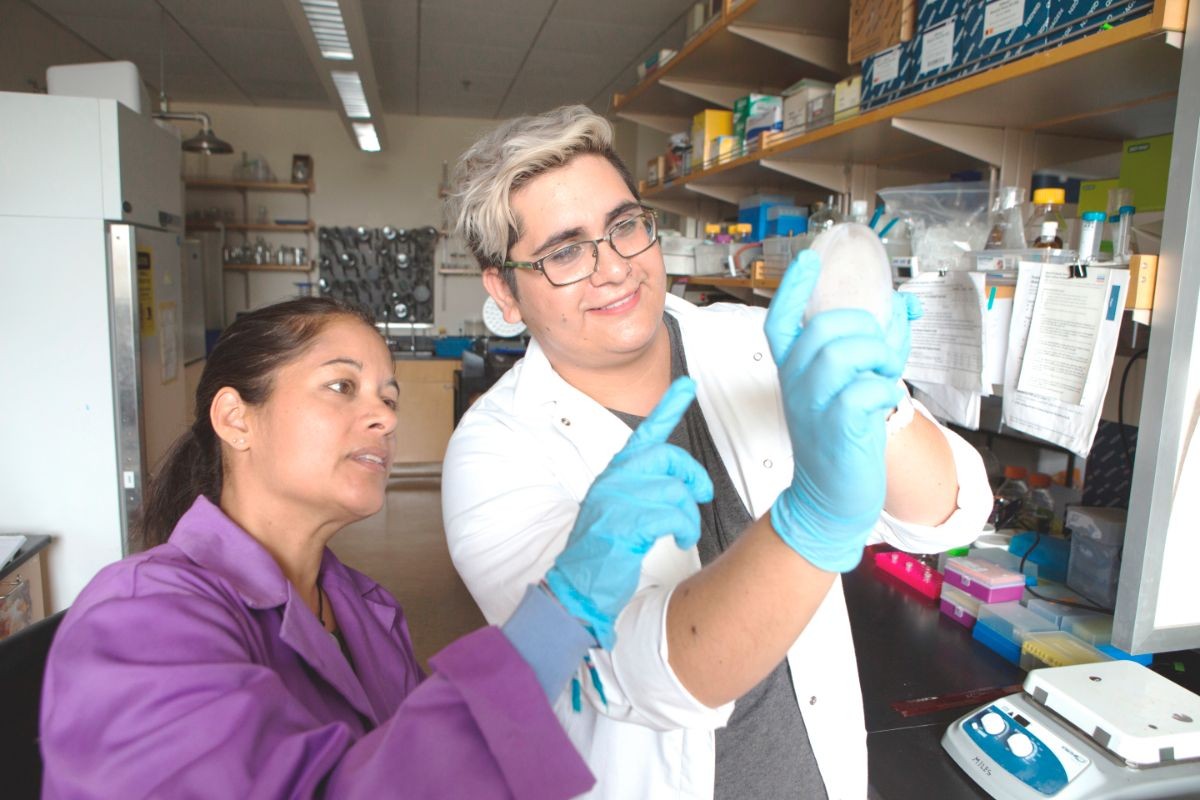 PI: Dr. Aparna Sreenivasan
Areas of Research:
Cell cycle, molecular biology, genetics, genomics and science communication
Learn About Dr. Sreenivasan
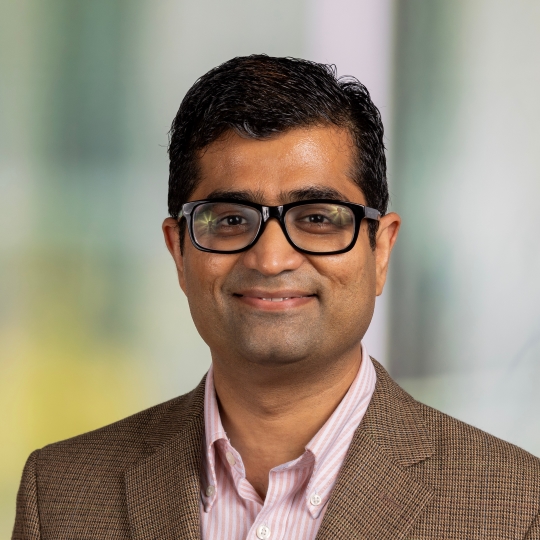 PI: Dr. Arun Sharma
Research Areas:
Undergraduate students work on numerous projects that require various resources. Many projects require Machine Learning, GaussView, Mathematica, and more. Current projects include research with ionic liquids, asphaltenes, and reverse micelles to simulate aerosols.
Learn More About Chemists Without Beakers