

2017 Fall/Winter Archive
"Monterey Bay," Fall/Winter 2017
This archive preserves previously published materials that document stories, initiatives and community impact over time. Content reflects the context, priorities and perspectives at the time of publication.
Materials in this archive are provided for reference purposes only and may not reflect current programs, policies or organizational updates.
Explore the collection to gain insight into past work, evolving priorities and the broader impact of these efforts over time.
Contents
Mayan Mystery — Mayan discovery reaffirms professor's life work
The recent discovery of Mayan ruins in the Guatemalan jungle is changing the way people think of that ancient civilization.
As a result, professor Ruben Mendoza, chair of the School of Social, Behavioral & Global Studies, finds himself vindicated for challenging preconceived notions about the Maya when he was in graduate school in the late 1970's.
Most researchers at the time, including his advisor, were convinced "the Maya were essentially not warlike, they did not have a written historical tradition, and the failure of their society was predicated on managerial mismanagement of the ecology and resources," recalls Mendoza.
His dissertation challenged that view and upset his advisor.
The findings that made headlines, however, are reaffirming Mendoza's thinking that Maya cities were much larger and more interconnected than once conceived.
Videography by Joey Perotti
Clearing the jungle
In Mendoza's formative years as an archeologist, you would arrive at your site by pack mule train after a 3-6 day hike. Then you would clear the jungle by hand as best you could to reveal a single site. The rest of the area would remain hidden and unexplored.
"That area has been virtually impenetrable to survey work," reminds Mendoza.
Technology has changed all of that. LiDAR (Light Detection And Ranging) is allowing archeologists to digitally deforest a huge area of the jungle and reveal hidden structures perhaps only seen by the Maya themselves.
In some areas like Tikal in Guatemala, Mendoza says "they now have evidence of up to 60,000 sites and features that were largely unknown."
The Maya living in that area would have been part of a huge society, Mendoza suggests, ranging from "hundreds of thousands if not millions of people inhabiting what today is the most dense forest canopies in the Americas."
Preserving the preserve
Take Highway One south and turn onto Carmel Valley Road. You’ll notice the hills to your right are higher and steeper. They look like an ideal landscape for a watercolor painting.
When professor Doug Smith of the School of Natural Sciences looks, he instead sees a watershed.
Beyond those hills are 20,000 acres of the Santa Lucia Preserve, which since 2007 has included a unique laboratory for 26 students studying under Smith. Many have gone on to distinguished positions because of their experience on the Preserve.
The area includes more than 100 luxury homes and lies in the mountains between Carmel Valley and Big Sur; it borders Garland Regional Park to the north, a popular hiking spot.
It was where Smith found a niche. “What drew me to work on the Preserve is the need for environmental science data.”
We are developing this new generation of scientists, conservation practitioners, advocates and people who just have a high level of eco-literacy.— Christy Fischer, Executive Director Santa Lucia Conservancy
Unique to the Preserve is the mission to conserve the ecological integrity of 18,000 of those acres, which are permanently protected. That responsibility falls on Executive Director Christy Fischer of the non-profit Santa Lucia Conservancy.
She is ebullient about the conservancy’s relationship with CSUMB.
“It brings students right into the heart of the Preserve to help us understand and steward the land,” describes Fischer. “It gets them engaged in its care and hopefully inspires them and others beyond our boundaries.”
Smith is more practical. “The students do everything here that a professional environmental scientist would do.”
The School of Natural Sciences prides itself on offering a wide range of real-world, hands-on research experiences for motivated students looking for a direct career connection.
To that end, Smith refers to himself less as a traditional professor of geological sciences than a working scientist. “I work at the intersection of water, dirt, people and fish. I’m more of an environmental scientist that brings geology and hydrology to the table,” explains Smith.
Doing Everything
His CSUMB students have been monitoring the stream gauges on the Preserve in an effort to understand the environmental science of the region.
One such student was Chelsea Neill (2015, M.S. in Applied Marine and Watershed Science), who now works at Balance Hydrologics in Berkeley, Calif. “The opportunities I was provided by working in Doug’s lab, specifically at the Santa Lucia Conservancy, were instrumental in my learning,” said Neill.
“There are stream gauges on all the major tributaries going through the Preserve,” notes Smith, “and our students are really charged with doing everything from soup to nuts. The Preserve has environmental science needs, and we have the need to do environmental science.”
The initial work began prior to 2007 with Balance Hydrologics. The Preserve extracts groundwater to use on the property, but the concern was that removal of water would ultimately affect the Carmel River.
“The fear was that would drain trout-bearing streams that feed the Carmel or that the resource would be used there instead of in the Carmel,” explains Smith.
Then, in 2007, the opportunity opened for CSUMB to collaborate with the Santa Lucia Conservancy as a way to bring an academic perspective to the problem.
“Learning how to monitor and maintain stream gauges in the Santa Lucia Mountains was one of the most amazing work opportunities for me,” says Sheldon Leiker (2014, M.S. in Coastal and Watershed Science and Policy). “Measuring stream flow under the redwoods is always a great way to spend your time.
“The project allowed me to apply the skills Doug taught in a real-world environment, which is a priceless experience for any young hydrologist.”
Leiker is now a wetlands biologist for the State of Georgia’s Department of Natural Resources - Coastal Resources Division.
A Dynamic Community
The students quickly realize they are working in a dynamic community and not a static state. “What we have here is a blend,” Fischer reminds you. She considers the land a combination of its natural state and the impacts of human habitation, which date back to when the Rumsen Indians called it home thousands of years ago.
Measuring stream flow under the redwoods is always a great way to spend your time— Sheldon Leiker
“The Santa Lucia Preserve is a permanently protected landscape into which a human community is interwoven,” says Fischer. “What Doug is helping us understand is to what extent have we effectively settled this land in a manner that maintains its ecological integrity.”
Students like Nick Sadrpour (2014, M.S. in ) realized their proximity to this natural laboratory was special.
“The fundamentals of rivers, sediment transport, and understanding of watersheds that I learned from working under Dr. Smith are still quite relevant in my work today.”
Sadrpour is a science, research & policy specialist at the University of Southern California’s Sea Grant Program.
Smith treats his students as professionals and challenges them scientifically in the lab and field as they go from student researchers to lab managers.
The students do everything here that a professional environmental scientist would do.— Doug Smith
In 2013, Kaitlyn Chow began working for Smith through the Undergraduate Research Opportunities Center. This led to her B.S. in Environmental Science, Technology & Policy in 2015 and M.S. in Applied Marine and Watershed Sciences in 2017.
“He would trust and respect that I was competent enough to gather defensible data, and train incoming researchers with minimal supervision. I was expected to be his right hand researcher for the project.”
Chow is now a hydrographer for the Yuba County Water Agency.
Kyle Stoner (2009, B.S. in Environmental Science Technology and Policy and 2012, M.S. in ) had a similar experience.
“During my graduate work, I took over the responsibility of maintaining the project, and I mentored younger students and trained them on the skills required to do the job.”
Stoner is now an environmental scientist in the North Central Region of the California Department of Fish and Wildlife in Rancho Cordova.
New Generation
This level of involvement between professor and students leads to a unique appreciation, according to Fischer. “The students get to see that we’re interested in changes that may or may not be happening as a result of our human activities.”
So far Smith’s students have found that the Santa Lucia Preserve is using water wisely, leaving no impact on the local watershed resources.
That’s no rush to judgement. Smith thinks this opportunity is unique in terms of size and unsurpassed in terms of the longevity, which Fischer says totals about 20 years.
But the partnership with CSUMB also has an added benefit, Fischer says.
“We are developing this new generation of scientists, conservation practitioners, advocates and people who just have a high level of eco-literacy. They care and can understand, perceive and hopefully influence change over time.”
CAHSS on the Move
In one respect, the new home for the College of Arts, Humanities and Social Sciences at CSUMB is simply an important – and badly needed – addition to the campus infrastructure.
In a broader sense, it is also a confirmation of the continued importance of liberal arts education, both to the campus and to the students the building will serve.
Our faculty really wanted to be able to work together.— Ilene Feinman, dean of CAHSS
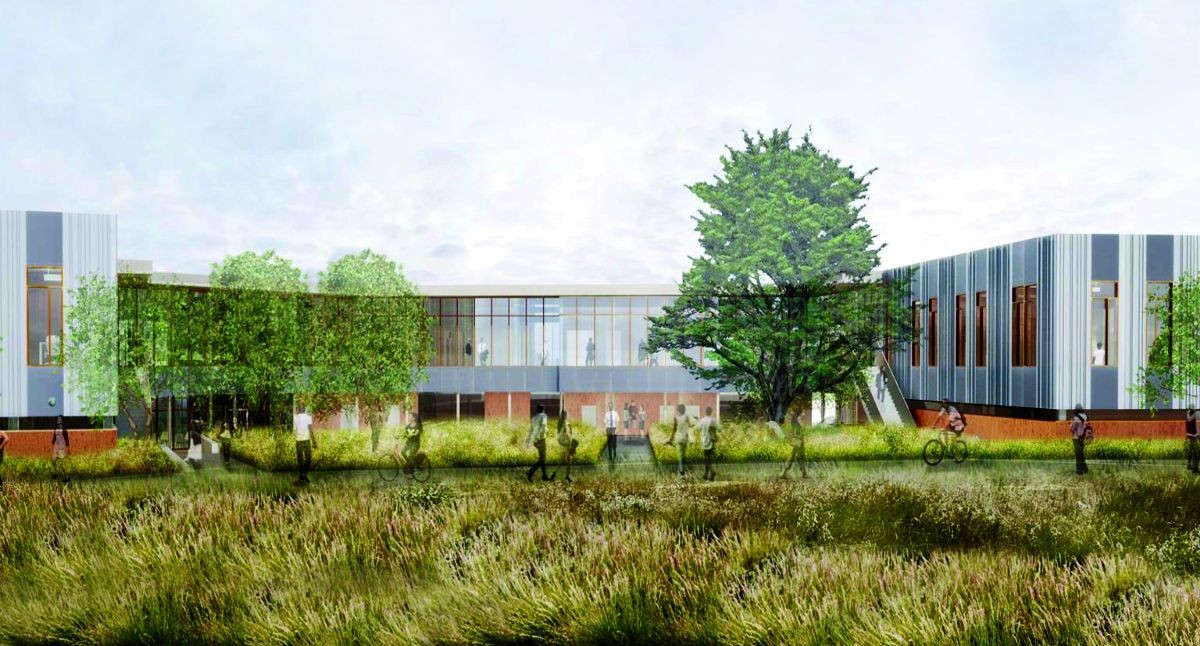
CSUMB broke ground this fall on Academic III, a $40 million, 48,000 square foot building that will house much of the College of Arts, Humanities and Social Sciences. The building will be located on Divarty Avenue, next to the Business and Information Technology Building. It is scheduled to be completed by fall 2019.
The new building will include classrooms, language learning labs, cinematic arts labs, an amphitheater, art gallery and a 200-seat film classroom, along with department and faculty offices.
Bringing the college together
For Ilene Feinman, dean of CAHSS, the building represents a long-sought opportunity to bring much of the college together in one place.
“We suggested that this building presented an opportunity for the college community to have a central home which would generate cross- and inter-disciplinary projects,” said Feinman, who has served as dean since 2011.
“We made the argument that our faculty really wanted to be able to work together. We wanted to have a space where they were able to come across each other at random and discuss projects they might be working on, discover synergies and explore what they might do together,” Feinman said.
Liberal arts and careers
That kind of problem-solving lies at the heart of the liberal arts disciplines, which are broadly defined as areas of study such as history, arts, language, literature, social science and communication.
At a time when many students and government decision-makers are placing a higher priority on areas of study – such as technology and engineering – that seem to promise more immediate payoffs, CAHSS continues to attract growing numbers of students. Fall term enrollment in the college is 2,096, trailing only the College of Science among CSUMB’s colleges.
“While it is true we need more people with technological expertise out there, countless studies – from inside academia and outside think tanks – talk about needing graduates with liberal arts degrees, with training in the arts, humanities, social sciences, languages, and communication, with the capacity to take a problem and look for creative solutions,” Feinman said.
Earlier this year, the liberal arts received a strong endorsement from what may seem to be an unlikely source – Mark Cuban, billionaire businessman and star of “Shark Tank.”
Cuban said, “I personally think there’s going to be a greater demand in 10 years for liberal arts majors than there were for programming majors and maybe even engineering. When the data is all being spit out for you, options are being spit out for you, you need a different perspective in order to have a different view of the data.”
Similarly, in 2015, Burning Glass Technologies analyzed 25 million online job postings and found the highest demand by employers across all fields was for skills like writing, research, analysis, critical thinking and creativity – the building blocks of a liberal arts education.
Informed citizens, wise voters
In ancient Greece, being well-grounded in the liberal arts was considered necessary to participate in civic life and public debates.
That is an aspect of the liberal arts that CSUMB President Eduardo M. Ochoa discussed in this year’s State of the University address.
“As you well know, we live in an era of political polarization, a time when the public conversation is full of references to “alternative facts” and “fake news,” Ochoa said.
“But make no mistake: Facts are still facts. History still has many lessons for us. An understanding of our culture – how it has changed and how it will continue to evolve – is still a vital part of being an informed citizen and a wise voter.”
A desire to help people
Psychology is the largest undergraduate major in CAHSS. Professor Jennifer Dyer-Seymour, the head of the psychology department, said many students who come into that school are driven by idealistic goals.
Any question you can ask about human behavior, we can study in psychology.— Jennifer Dyer-Seymour, Department of Psychology chair
“In my discussions with students, a lot of them are interested in helping people in some way. So a lot of students are looking at clinical psychology. They know about counselors and therapists, and they would like to be one of those,” she said.
“But the part that students often don’t know about is the research aspect. Any question you can ask about human behavior, we can study in psychology. If you talk about jobs, sometimes psychology gets a bum rap, but the jobs that people can get if they have research skills are amazing.
“Almost every company has a research and development office, where they want to assess how people use their product, how they could improve their product. They do focus groups, they gather data, analyze it and present it. That is what we train our students to do.”
A lively, creative place
The other departments and schools within CAHSS are:
- music and performing arts
- cinematic arts and technology
- visual and public art
- humanities and communication
- social, behavioral and global studies
- and world languages and cultures.
Some parts of CAHSS – including psychology, cinematic arts and visual and public art – will maintain all or part of their departmental homes in their current campus locations. Social and behavioral sciences, world languages and cultures, humanities and communication and cinematic arts degree programs will be housed in the new building.
Feinman praised the designers of the building for making it an integral part of the campus landscape. It will feature an outdoor amphitheater and other outdoor spaces, suitable for both formal and informal events and gatherings.
“For a good part of the year, it is gorgeous outside and I know when I was teaching I was always looking for a day when we could go outside and sit on the ground somewhere in the fresh air and converse,” Feinman said. “So having all that space outside where classes can meet, have breakout groups, and where people can just gather on their breaks; it will be a very lively and creative place.”
A Community of Artists
One of the first things professor Enid Baxter Ryce did as interim director of CSUMB’s new Salinas Center for the Arts & Culture was to walk around downtown Salinas surveying the community about what they would like the center to do.
It’s an exciting project. I especially feel confident with the idea of this being a place where people and programs can come together.— Enid Ryce, professor Cinematic Arts and Technology
It is that kind of local focus that organizers hope will make the center an integral part of an ongoing revitalization of Salinas’s downtown. The center is located at CSUMB @ Salinas City Center, which continues to house the National Steinbeck Center.
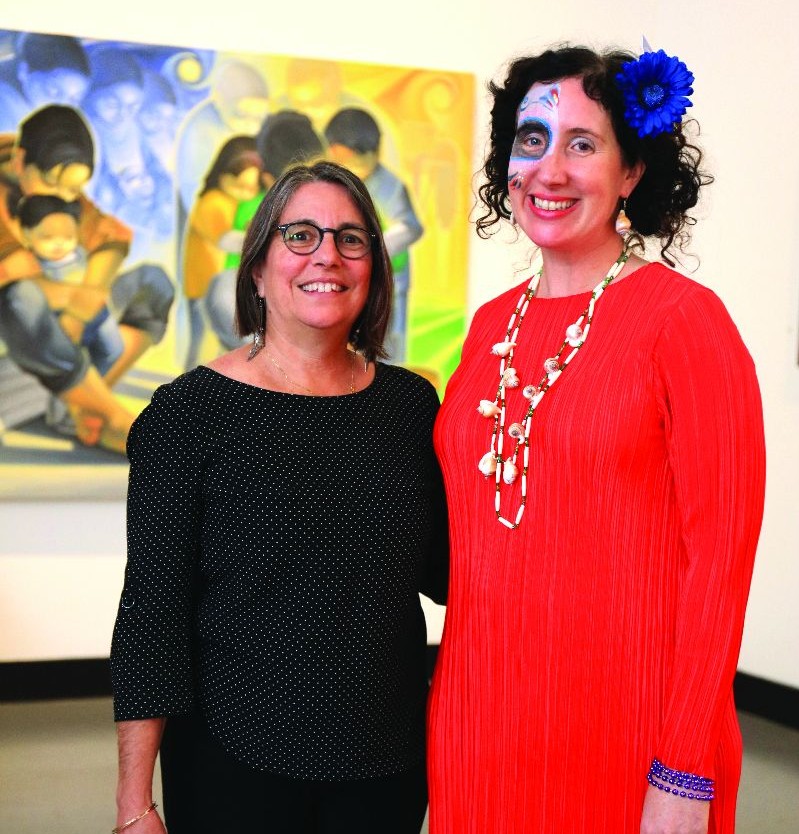
“It’s an exciting project. I especially feel confident with the idea of this being a place where people and programs can come together,” said Ryce, who recently stepped down after eight years as department chair of CSUMB’s Department of Cinematic Arts and Technology.
The center will host CSUMB lectures and exhibits – some curated by students. It will host courses offered through Extended Education or the Osher Living Learning Institute (OLLI). And perhaps most important, it will provide a gathering space for community-based arts and cultural groups to build connections between campus and community creatives.
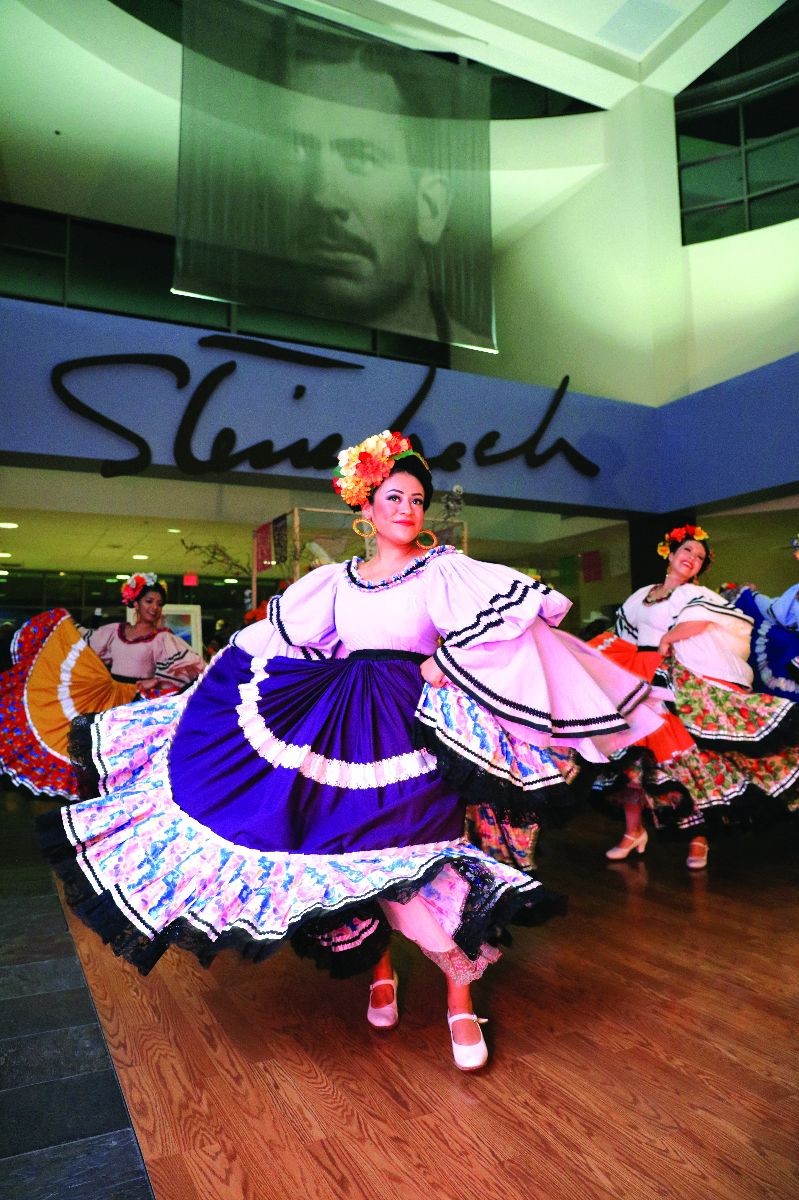
“This really came out of discussions I was having with (Provost) Bonnie (Irwin) and (President) Eduardo (Ochoa) two or three years ago about organizations around the country who are using the humanities and arts to link up with community and create really robust connections,” said CAHSS Dean Ilene Feinman.
“When I talk to the community members in Salinas, they say they would really like to build a cultural hub and we need you to help us do that, we need you to jump start it. Through this center, the arts organizations get to benefit from our expertise, we get to benefit from their expertise and we really create this community link that we have not had in Salinas,” she said.
Making plans right here
In making plans for the center, Ryce reached out to Nina Simon, the executive director of the Santa Cruz Museum of Art and History, which has succeeded in filling that role in Santa Cruz. Simon has quite literally written the books on the role of public museums – “The Participatory Museum” and “The Art of Relevance.”
While Salinas’s Steinbeck Center was originally seen as a draw for tourists coming to the Monterey Peninsula, the Santa Cruz museum has grown under Simon’s leadership by serving the needs of local artists and community members.
“The starting point is focusing on the idea that the most valuable visitors and the most valuable colleagues are people who are in the community,” said Simon. “Let’s focus on the people who live and make art and make history right here.”
“Enid is really on the right track by building local partnerships.”
Even in her early days on the job, Ryce already had contacted a long list of local arts organizations about how the center might serve their needs, everything from the Alisal Center for Fine Arts to the Ohlone Costanoan Esselen Nation to the Japanese-American Flower Growers Association to the Monterey Pops.
Growing our own
Students enrolled in the visited CSUMB for the first time this fall and were welcomed by the men's and women's basketball teams and Monte Rey, the sea otter mascot.
The visiting students, all members of the second cohort of the new collaborative program with Hartnell College, are currently taking classes at the Hartnell College King City Education Center, but have access to resources and support at Hartnell and CSUMB.
What this means for our students is really an opportunity to change the trajectory of their life.
— Antonio Gallardo, Teacher Pathway Program coordinator
“Going on a field trip to CSUMB to see the next step in our journey was like a sneak peek into our future,” said Sara Castro, a student in the program. “It was exciting, motivating and amazing to be able to think to myself: ‘So this is the next step; this will be where I go next; this will be me soon!’”
Professor Deedee Perez-Granados, Teacher Pathway Program coordinator who helped spearhead the program at CSUMB, said, “I’m excited about the because it is an opportunity to collaborate with Hartnell College and to support students who will become teachers in South Monterey County, where we have a huge need.”
Transformation
“One of the challenges is not only recruiting teachers but retaining teachers. And so one of the most effective ways to do that is to train our own. Grow our own teachers,” said Jose Luis Alvarado, dean of the College of Education at CSUMB.
“We’re tapping into local talent, but also every single one of these teachers then becomes role models for students who are currently in schools. It allows them to see and say, ‘Hey, there’s my aunt,’ ‘There’s my cousin who’s teaching now.’ And those young ones they are teaching will then aspire to go to college and we will begin to see a transformation of the entire community in South Monterey County.”
That local talent is being drawn from south Salinas Valley high schools including King City, Greenfield, Soledad and Gonzales.
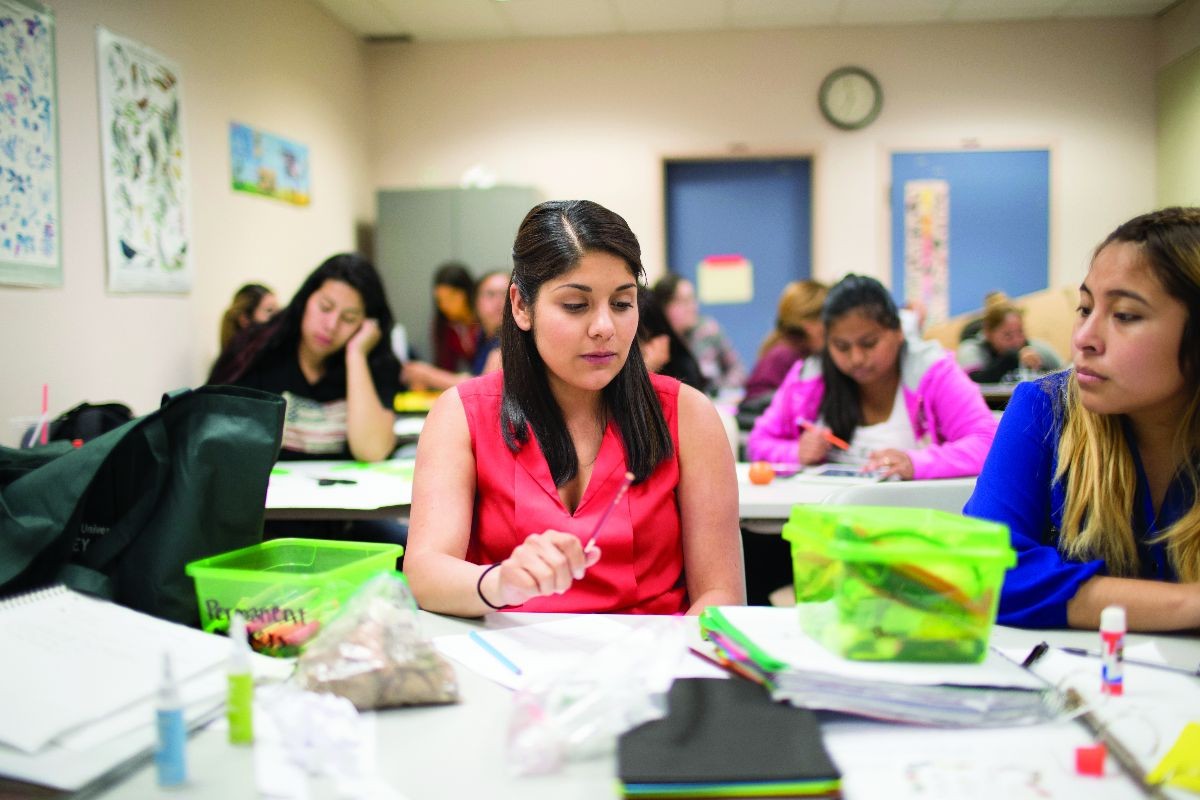
Students in the program can take advantage of resources at both Hartnell and CSUMB, including tutoring, pre-professional workshops, priority registration, stipends, targeted academic advising and mentorship.
“So what this program is, it’s basically bringing the first two years of elementary education at Hartnell College, coupled with the last two years of upper division coursework at CSUMB, and offering a liberal studies B.A., followed by an additional year for the teaching credential,” Alvarado said.
The Teacher Pathway Program now serves a total of 62 students, all of whom are first-generation college students. It prepares them to make a significant and lasting impact on the quality of education that is afforded to youth in South Monterey County.
“There is a commitment for all participants to actually end up with teaching positions in South Monterey County,” Alvarado said.
“The Teacher Pathway Program so far has been a great experience,” said student Mayte Lomeli. “Having this cohort here for South County students helps encourage students to pursue their teaching major and helps those who can’t make it up to the main Hartnell campus.”
Growing demand
“In the first year of the CSUMB-Hartnell South Monterey County Teacher Pathway Program, we admitted a cohort of 21 students,” said Antonio Gallardo, Teacher Pathway Program coordinator at CSUMB. “Our second cohort for this year is up to 41 students. We’ve nearly doubled the number of students in the program in one year.”
“This is a testament to what institutions of higher education can collectively do to begin to address the critical shortage of credentialed teachers in Monterey County.”
We will begin to see a transformation of the entire community in South Monterey County— Jose Luis Alvarado, College of Education dean
Hartnell College and CSUMB have built the Teacher Pathway Program with an eye towards sustainability, ensuring this project continues to prepare fully qualified elementary and special education teachers well into the future.
“What this means for our students is really an opportunity to change the trajectory of their life. That’s on a very personal level,” said Gallardo. “So it’s really two-fold: it’s that personal thing that happens to you when you go to school when otherwise you might not have been afforded the opportunity. Many of our students are first-generation students and if it wasn’t for this program they wouldn’t have an opportunity to go to school at all.”
Gallardo said, “You can imagine what a labor of love this is for me because I was an unsuspecting high school graduate that had no dreams, no hope for going to college, and here I am decades later as the coordinator and professor to some of these students. That feels really good knowing there is a coordinated, official pathway.”
“Being in the Teacher Pathway Program has been an incredible experience. Not only do you get to meet new people but you are tremendously supported with Hartnell and CSUMB staff,” said student Nathalie Duran. “They are always there when you have questions or need further assistance with your path to becoming a teacher.”
Future
With the second cohort nearly doubling in number, the Teacher Pathway Program shows no signs of slowing down.
“We’re finding that we’ll probably end up having to adjust to suit the numbers of students that are requesting to come into this program,” explained Gallardo.
As successful as the Teacher Pathway Program is, approval from CSU Chancellor’s Office and the WASC Senior College University Commission is still pending.
Gallardo remains confident.
“I don’t think the program will go away. It’s got too much momentum at this point.”
Ever the visionary, Gallardo said, “We have an opportunity to put forth a model which meets the need for the critical shortage of teachers, but. . .wouldn’t the pathway model for community college students be great for any discipline?”
Primary Focus on Primary Care
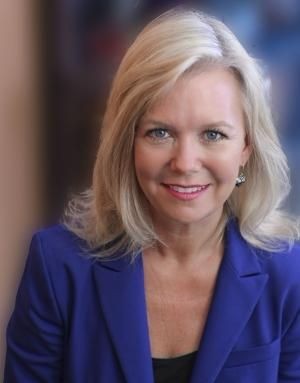
When you look into why Cal State Monterey Bay is starting a physician assistant program, three reasons rise to the top.
CSUMB now has a College of Health Sciences and Human Services (CHSHS) with a dean whose top strategic goal is to make the college “the health sciences and human resources training hub for the Tri-County region.”
The Central Coast has an urgent need for more primary-care health providers, and physician assistants would help fill it.
And one of the pioneers of the physician assistant profession just happens to live and work in Monterey County.
“(Our university is) built on a national legacy, an international legacy, of service. We need to carry on that legacy,” said CHSHS Dean Britt Rios-Ellis, who came to the college as its founding dean in 2014 from Long Beach State University.
Our university is built on a national legacy, an international legacy, of service. We need to carry on that legacy.— Britt Rios-Ellis, College of Health Sciences and Human Services Dean
A strong local advocate
However, even before her arrival, the idea of a physician assistant (PA) program at CSUMB had a strong local advocate, Dr. Alfred Sadler, who helped establish one of the nation’s first such programs at Yale University more than 40 years ago.
“It was wonderful when Britt arrived and helped establish this college. Between Britt and me and other folks who helped set up the program – President Ochoa has been very supportive – it has been a great effort,” Dr. Sadler said. “It is a very exciting thing for me to be involved with, in my fossil years, to help get something like this started.”
PAs are nationally certified, state-licensed medical professionals, who practice medicine as members of health care teams with doctors and other providers. The Bureau of Labor Statistics said that employment of physician assistants is projected to grow 30 percent from 2014 to 2024, much faster than the average for all occupations.
Building local partnerships
Rios-Ellis examined the local need for PAs and found 177 jobs within a 50-mile radius from CSUMB, some paying more than $100,000 a year.
Students shouldn’t have to go anywhere else to get training, they should be able to get it here.— Britt Rios-Ellis, College of Health Sciences and Human Services Dean
“Students shouldn’t have to go anywhere else to get training, they should be able to get it here,” Rios-Ellis said. “We can be sure that the people we are training have the cultural and linguistic skills to serve this population.”
Rios-Ellis cites partnerships with local health care partners, including Monterey County and Natividad Medical Center, Montage Health Care System, Salinas Valley Memorial Hospital, Pinnacle Health Care and Doctors on Duty, as being instrumental in helping create the program.
She said the goal is to continue to grow the list of partner providers. The partners should benefit by reducing the high recruitment costs they often face in hiring new PAs.
The new director
Professor Christopher Forest is the newly hired director of the program. A long-time PA himself, working mostly in small Latino communities in Southern California, he comes to CSUMB after serving as a faculty member for the last 10 years at the University of Southern California.
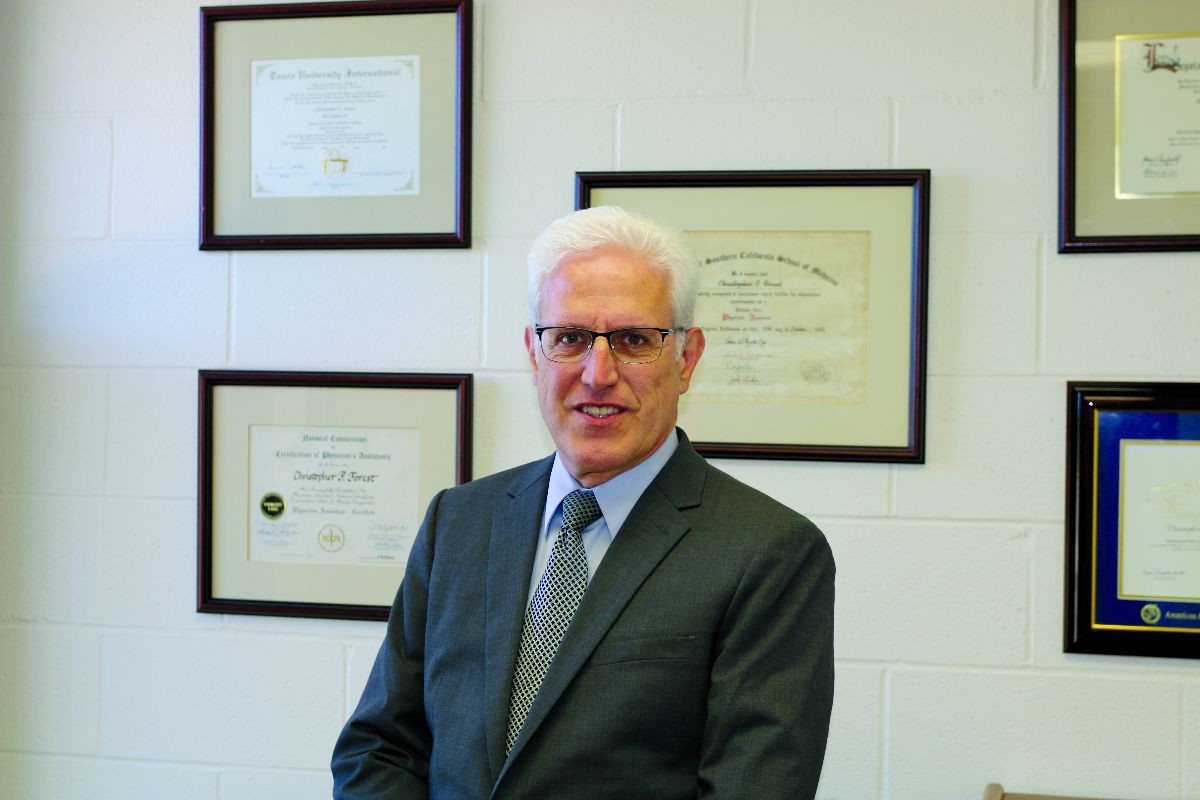
“Recruitment of a program director who shares our mission was very important. These are not easy jobs to fill and Fred (Sadler) was very helpful there,” Rios-Ellis said.
“I know a lot of people in California, so I was able to help get the word out,” said Sadler, a long-time primary care doctor in Monterey County. “Christopher Forest is just a terrific person who we were able to get to come up from USC.”
A pioneer in PA education
Sadler’s circle of friends and colleagues extends far beyond California. In 1970, he was appointed assistant professor of surgery and public health and director of the Yale Trauma Program. During that year he founded and directed the physician assistant program at the Yale University School of Medicine.
He served as the first president of the Association of Physician Assistant Programs in 1972-73 and worked with the American Medical Association and the Association of American Medical Colleges to develop accreditation standards for PA programs.
He helped create the first certifying examination for PAs by the National Board of Medical Examiners in 1973. There are now 238 accredited PA programs nationally, but none in the Tri-County region.
First students in 2019
If all goes according to plan, CSUMB’s program will begin accepting student applications in May 2018 pending WSCUC approval. The program’s first group of students will begin their studies in January 2019. In the meantime, the college is pulling together information for a website for prospective students (to launch in December) and preparing for a site visit by a national accrediting team in early March 2018.
CSUMB’s first class will include 33 students, and the program’s organizers are expecting a flood of applications. This will be the first PA program at a CSU campus.
Sadler said, during a recent visit to Yale, he learned that the acceptance rate for the Yale PA program is 4 percent, well below the rate for both the Yale Medical School and Yale overall. He said CSUMB could have around 1200 applications for its first class.
Forest said applicants will need a bachelor’s degree, most likely in the sciences or pre-med type courses. A history of community service and medical experience will also be important factors in choosing members of the inaugural class.
Classroom training, internships
The PA program will begin with one year of classroom training in anatomy, physiology and each different body system.
As part of that work, students will be tested using objective structured clinical examinations, or OSCEs. Actors are given lists of symptoms and family history information, then are examined by prospective PAs. The exams and diagnoses are video-recorded and students receive feedback on their performance.
One of the distinctive features of the CSUMB curriculum will be three semesters of conversational medical Spanish.
“I hear people say most of the applicants, especially in this area, will speak Spanish. And maybe they do,” Forest said. “But they may not know medical terms. A lot of the terms don’t instinctively translate.”
After completing the classroom portion of their studies, the students will move into internships with local medical providers. The students will work in different specialty areas, again with a focus on primary care and serving the needs of this region.
Program hub: North Salinas
CSUMB @ North Salinas – the former Heald College classroom building on North Main Street – will be the hub of the program. The building has the necessary lab and classroom spaces and the proximity to a range of medical providers.
After 27 months in classrooms and clinical rotations, the prospective PAs will be ready to take their national certification exams and, if successful, be licensed by the state.
The new school will need an 85 percent pass rate to maintain its accreditation.
“Christopher tells me we will be closer to 100 (percent),” Rios-Ellis said, smiling.
Science and Religion
CSUMB campus pastor has faith in both
At a time when science and religion often are portrayed as being in conflict, the Rev. Clark Brown is a strong believer in both.
Brown, the Rev. Jon Perez and the Rev. Elaine Gehrmann serve as CSUMB campus chaplains, hosting weekly drop-ins at the Dining Commons and Student Center during the academic year. They also advise students privately and work with organizations. Campus chaplaincy is part of Health and Wellness Services.
They (science and religion) are very different, but I would say very complementary studies.— Rev. Clark Brown
“They (science and religion) are very different, but I would say very complementary studies,” Brown said.
Brown has a degree in biochemistry from UC Berkeley, and worked as a lab manager and researcher at Carnegie-Mellon University before going to divinity school.
“These things do go together, they are really not at odds. I don’t see any conflict in holding that the theory of evolution is true or that the creation of the universe through the big bang or something that is beyond my comprehension is true. Science helps us understand reality as it is. And theology points us at other kinds of truths,” Brown said.

“How does our scientific thinking, and our understanding of that, impact our theological thinking? Today, a lot of spiritual teachers are talking about some of the theories that come from physics and similar studies, and how these things are very complementary with our understanding of the nature of God.”
Brown serves as the pastor of St. Timothy Lutheran Church in Monterey, while Perez serves as vicar for Epiphany Lutheran and Episcopal Church in Marina and Gehrmann is co-minister of the Unitarian Universalist Church of the Monterey Peninsula.
Sometimes students just want to talk about ideas … spiritual or theological ideas, or political ideas.— Rev. Clark Brown
Brown said he sometimes talks with students who are concerned about conflicts between their faith and their studies.
Usually, though, students’ concerns “have more to do with just life, issues around parents or something like that. Sometimes students just want to talk about ideas … spiritual or theological ideas, or political ideas.”
Brown said that he has seen more students come to CSUMB with stronger academic backgrounds during his seven years on campus. At the same time, universities nationwide are dealing with more students who face mental health challenges – depression, stress, anxiety.
“Most pastors are not trained to provide mental health counseling. So when we provide pastoral care counseling, that only goes to a certain level. If we see someone who has more significant mental health issues … one of the first things we learn in our pastoral care classes is to refer.”
Another change nationwide has been the increased acceptance of same-sex marriage and LGBTQ lifestyles.
“In general, for young people, it is simply part of the reality. For my denomination, for Jon Perez’s Episcopal denomination, I can’t quite call it settled, but we are very accepting. And Elaine serves within a denomination that is very welcoming to LGBTQ people,” Brown said.
“So it just means that as chaplains, we can serve people on campus more easily, I guess, than folks from a more conservative religious tradition.”
No Day at the Beach
The beach may be considered a natural locale for volleyball. But basketball?
Coach Isaac Williams, who accepted the CSUMB men’s basketball head coaching position in May, has already discovered that being a coach at the CSU campus located closest to the Pacific Ocean offers some unique advantages.
Finding the time necessary to assess the strengths and weaknesses of his team, while studying the key vulnerabilities of his opponents was one of Williams’ greatest pre-season challenges. Luckily, the dunes of the former Fort Ord are just the place to find the peace and quiet he needs.
It’s really great to be able to head down to the beach during the day and focus – sometimes on things bigger than basketball.— Coach Williams
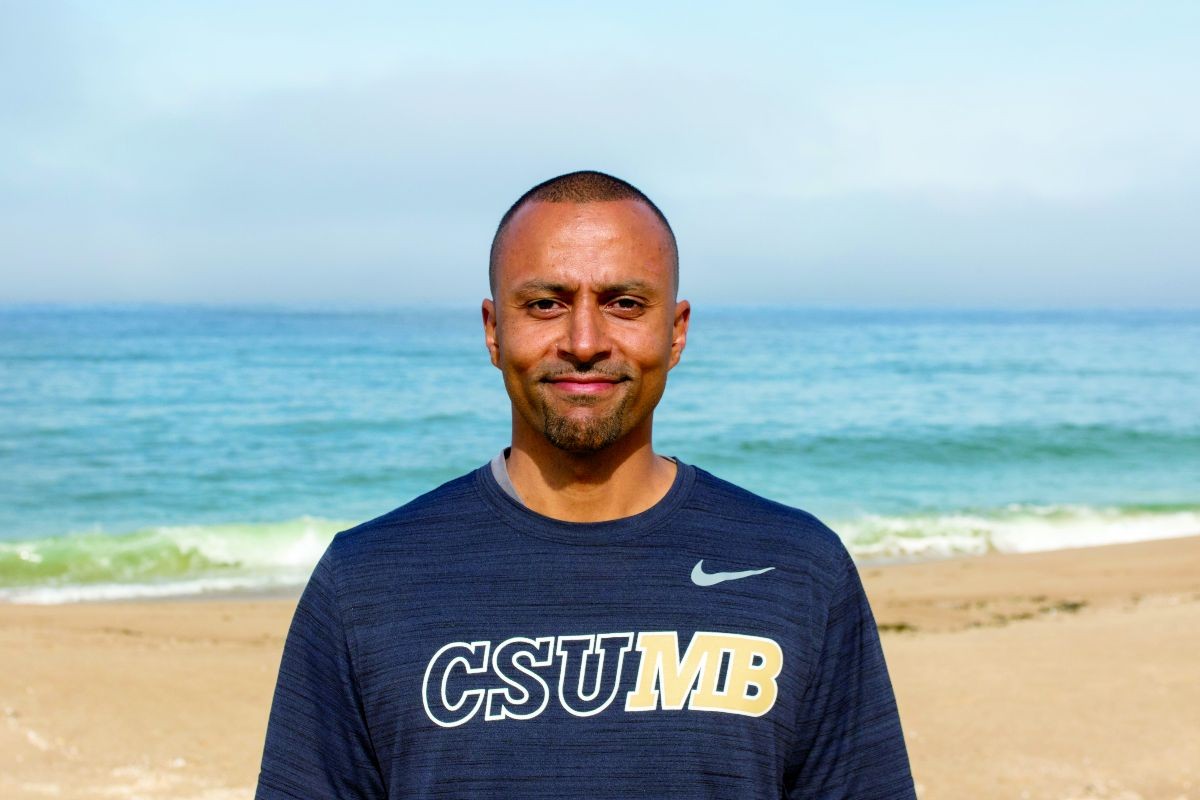
“Being down at the beach is calming. I’ll go down to watch film on my iPad or read. I’ve been really focusing on finding time to read and learn to become the best coach and person that I can,” said Williams. “When you’re down there, you can really be present in the moment and not get distracted by some of the day-to-day tasks in the office. It’s really great to be able to head down there during the day and focus – sometimes on things bigger than basketball.”
Pre-season Fridays at the beach with Coach Williams, however, weren’t so quiet or peaceful.
Williams held beach workouts and sand agility training for his team every Friday during the pre-season. Beach workouts – not a regular training routine at his last coaching stop at Eastern Oregon University (EOU) – are increasingly being incorporated into speed and agility training regimens, as they help improve balance and strengthen the smaller muscles of the foot and ankle.
Fortunately (or unfortunately, depending how you might view it) for student-athletes at CSUMB, the nearest set of 60-degree incline sand dunes are less than a mile from the Otter Sports Complex.
Being able to mix up your workouts and diversify your training is great.— Coach Williams
“We’ve had some tough workouts down at the beach, but I think the guys have had fun, and at least we’re out at the beach and in the elements,” said Williams. “Being able to mix up your workouts and diversify your training is great. The season can be long, so it’s always nice to bring something new and different to your training.”
Williams may not know who his top rebounder will be or who will lead the team in scoring this season, but one theme of his coaching philosophy has already been unmistakable: the importance of strength and conditioning. Those will be essential to rebuilding a team that was riddled with injuries last season, at one point playing with only six players and finishing with a 4-22 record.
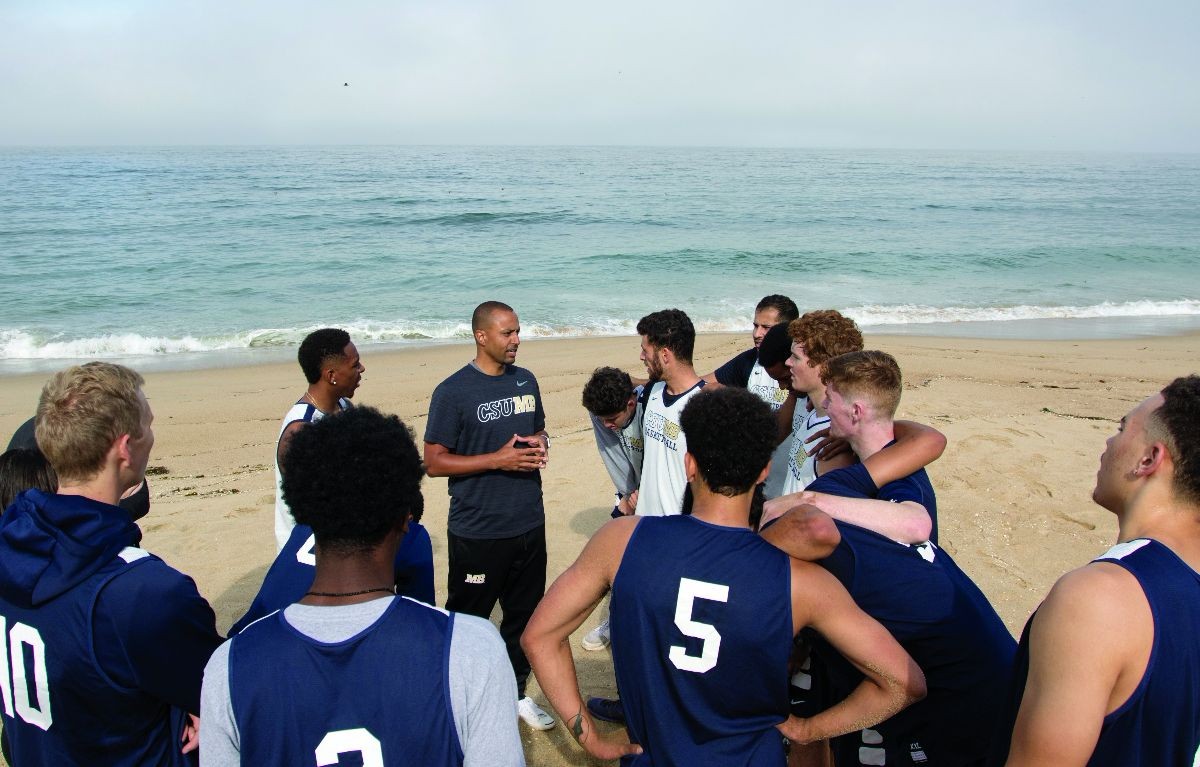
Rebuilding projects are nothing new to Williams, as he deftly proved during his time at EOU.
Before Williams arrived, the Mountaineers had posted just one winning season and a .371 win percentage in 10 seasons.
After serving as an assistant coach for five seasons, Williams became head coach at EOU, his alma mater, in 2009. From 2009-13, EOU had three 20-win seasons and earned four consecutive trips to the NAIA Division II National Tournament. During the 2012-13 campaign, Williams led the Mountaineers to the first No. 1 ranking in program history.
Then, Williams left EOU to move to Boise State University, where he served as director of operations for the men’s basketball team for two years. In that role, Williams coordinated team travel and scheduling, as the Broncos had two straight 20-win seasons, and earned a trip to the NCAA tournament in 2015.
He moved back to EOU for the 2016-17 season, during which the Mountaineers compiled a 24-9 overall record, 15-5 in league play.
All told, Williams left EOU as the winningest coach in program history in terms of percentage (.745) and the second leading coach in wins.
“Isaac is a proven leader, winner, recruiter, and player developer. He will provide great leadership for our student-athletes and we are excited about the future of our program,” said CSUMB Athletic Director Kirby Garry when he announced Williams’s hiring. “The more we learned about him and got to know him, the more convinced we became that he was great match for Cal State Monterey Bay.”
“The transition to CSUMB has been really smooth,” said Williams. “The administration, coaches and support staffers have been amazing. Each has taken time to try and make the transition as easy as possible for me coming all the way from Oregon. It can be a tough profession with all the travel, odd hours and time spent away from home and family, but I have felt so welcomed here and I am very grateful for that.”
In her Grandpa's footsteps
[On August 26, 2017 @notabasicflower tweeted: "The fact that my Grandpa was stationed at Fort Ord years ago and now I'm going to the college it was turned into is breathtaking."]
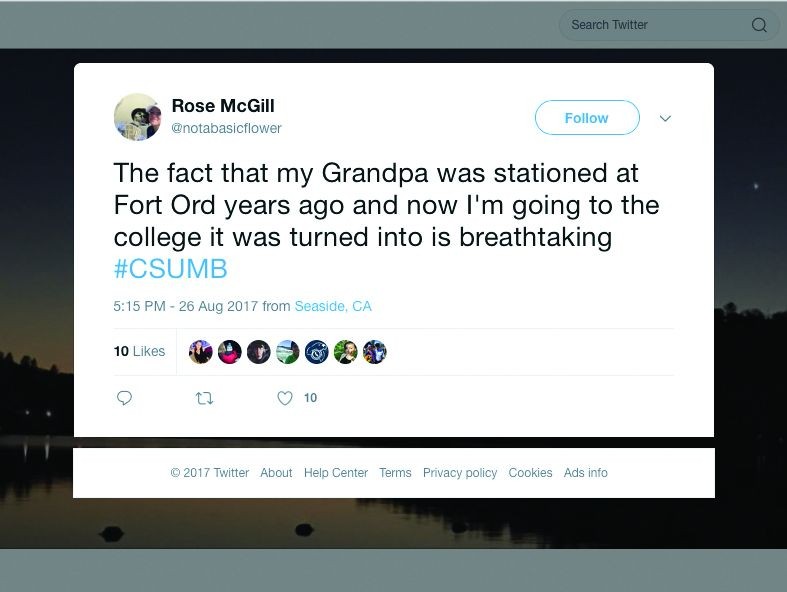
Most current CSUMB students were not even born when Fort Ord was an active military base. But some still encounter the pull of its history.
“I really wanted to come to Cal State Monterey Bay, because of the biology (courses),” said Rose McGill, a freshman from Nevada City. “I heard about the history, Fort Ord and all. And I told my Grandma about it, and Fort Ord, and she knew immediately what that was and said my Grandpa Jack (Hays) was stationed there.”
Back in the early 1950s, Jack Hays was one of the thousands of recruits who went through basic training at Fort Ord. McGill said he was later stationed in Germany, and returned home to work as a science teacher in Le Grande, Calif. He passed away when Rose was just three years old.
“It’s almost like I was supposed to be here, because of my Grandpa. My mom was saying that I am like him, my personality is a lot the same, so that is very cool.”
In getting to know her new home, she has had moments that made her feel close to her grandfather.
“When I walk around and see the abandoned buildings, I can’t help thinking, which ones did my Grandpa live in, where did he play a part in this, who were his friends. It’s really interesting,” McGill said.
Her grandmother, Evelyn Hays, is interested as well.
“I was talking on the phone to my Grandma, and she was talking about the dunes and the firing ranges. The day before, I had been down there, and she was describing it perfectly,” McGill said.
“And she said he (Jack Hays) talked about how important it was to keep your socks dry, because if they were wet, and you had to march through the sand, that could be the worst thing ever.”
Some advice, it seems, stands the test of time.
Determined to Help
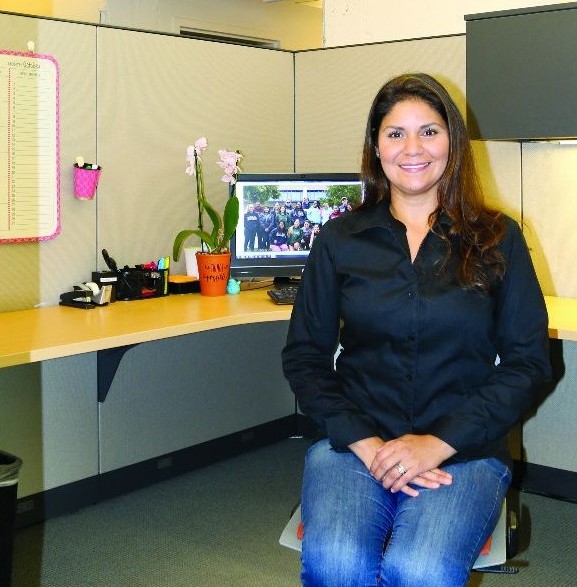
If you want to understand Theresa Dexter, two quotes from her should help.
"I think the person who has to do something about this is me.” And “Don’t tell me what I can’t do.”
Dexter is a senior health and human services major from Sacramento who works with TRIO student support services. A product of the foster care system, Dexter has been active with the Guardian Scholars program, which supports former foster youth on campus.
“I am at a Guardian Scholar event, and I was a little frustrated,” Dexter said. “We have this check-in when people tell their stories, and I was thinking, I am living within a budget, and I can’t afford to go buy new underclothes. I am mending my bras, and I am pretty irritated. And I thought there should be more resources for foster youth, because a lot of us don’t have families who support us.
“I got home that night, and there was an email from a student. And she said, ‘I am in the same situation; I haven’t had any toothpaste for a month.’ And I thought, seriously, I am complaining about mending my own bras and this person hasn’t had toothpaste for a month. This is just not OK with me.”
Only about three percent of the 415,000 youth in foster care in the United States ever obtain a college degree, in part because of the lack of such basic support. So Dexter set off to find resources to help.
After talking with people who have started similar programs on other campuses, and talking with a wide range of administrators at CSUMB, she decided to put together a packet of student stories and take it to local retailers.
“I went out and started passing out these folders that had people’s stories in them and said, ‘Hey look, this is what is going on. And it is not like we are asking for a lot; we are asking for basic necessities,’” Dexter said. “I got turned down a lot, but that didn’t stop me.”
Eventually, Target and Ross Dress for Less signed on with the project, allowing Dexter to put together “Mending the Needs” bags. And the CSUMB bookstore sold her sweatshirts at half price and approved an account so that the Guardian Scholars can purchase CSUMB attire at a discount throughout the academic year.
Just as important, Dexter said she has put things in place so each year’s Guardian Scholars will receive similar care packages.
Dexter herself took a non-traditional path to college, working for Safeway for 20 years before her husband’s college graduation inspired her to go back to school. Now she is hoping to pursue her master’s of social work degree after graduation.
Don’t tell her that she can’t do it.
Making numbers add up
Professor Hongde Hu is the chair of the math and statistics department at Cal State Monterey Bay. His efforts have helped make the university a national leader in developmental math education. The university’s Math Huge developmental program was recognized with a California Innovation Grant in 2015. Hu works on math boot camps for incoming college students, as well as summer programs for middle and high schoolers. His teaching load includes the freshman course for students who need more preparation to succeed in college-level math.
When students do well, they feel very powerful.— Hongde Hu, math and statistics department chair
We talked with him about math anxiety and how he helps turn students who are uncertain about their math skills into willing math learners, even math majors.
A lot of people have math anxiety; they have convinced themselves they just can’t ever get math. Why do you think that is?
Hu: A significant proportion of students have negative mathematics experiences and inadequate mathematical preparation. The problem is historical and systemic, and the students most disaffected by the current system are overwhelmingly Latino, immigrant or first-generation college students. I worked with high school and middle school students over the past twelve years. For those kids struggling in math, you can’t say they are good or not at math, because they haven’t really had a chance to learn. Our job is to get them excited about math.
What we find is that a lot of the students don’t have the solid foundation. Once we help them build that foundation, we can get them excited about math. They may come in not being able to solve a basic equation, but after one week or a couple weeks, they find math is much more enjoyable.
It is just like swimming; you have to learn the basics and have some success. Then it comes much easier.
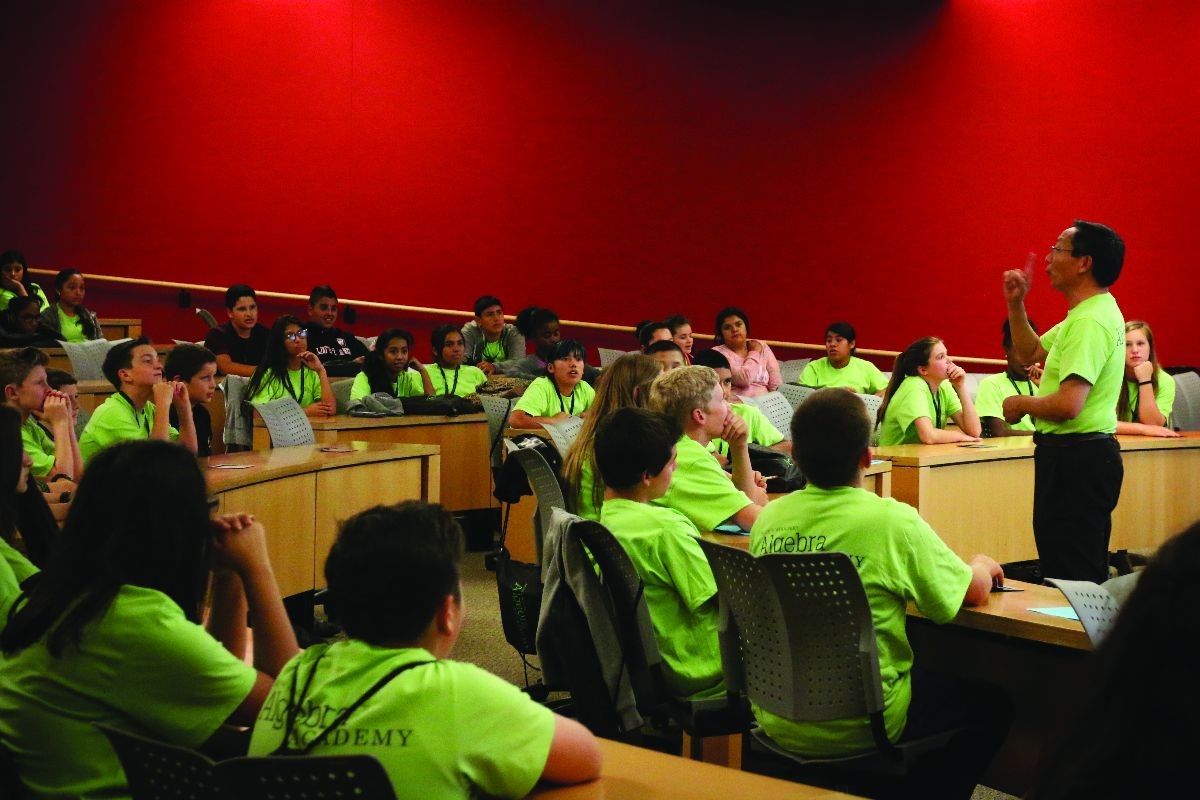
I have watched your summer classes. Here are middle school and high school students, during the summer, learning about math, and they seem to be very excited about it. How do you do that?
Hu: First, it is a new environment for them to come to a university with innovative classrooms and faculty, so that’s exciting for them. They get to know what a university education looks like. And we work on very interesting math problems in group to increase kids’ engagement and interest. And then they start to think that math is so cool. Then they get excited.
I give each student a name tag; I want to know where they come from. I want to get to know them well in the first week of classes. That motivates them; they want to come to class; they want badly to do the course work well.
A lot of people have great hopes that technology can transform the way we educate students. You use technology, but it is much more of a personal approach.
Hu: It will not work, just putting them in front of a computer without support. A lot of those kids lack confidence. They need to have some success. After a few classes, I know so well who understands and who doesn’t understand. Every day at the beginning of class, I give a quiz and, at the end of class, I give them homework. So I can know exactly where they are after two or three classes.
Math is powerful, but we need to make the connections to real life.— Hongde Hu
After a while, I don’t think they treat me like a teacher. They treat me more like a father figure or a close friend, because I get to know them so well. I always say to the students, “Come to my office anytime.” After a few times, they’ve got it. They don’t need to come any more. When students do well, they feel very powerful.
A lot of people don’t really think math studies will be relevant to their daily lives. Is that a problem?
Hu: Math is everywhere. Look at companies like Facebook and Google; they use math to determine what their customers want. That’s how they make money. And they need those kinds of workers. Math is powerful, but we need to make the connections to real life. For example, I talk about how to design a lottery. Lots of people buy tickets. It’s fun. But the reality is that there is a lot of math behind it.
Math majors can easily find jobs – in business and industry, in the government. It is one of the top ten high-paid jobs in the country.
Probably not many department heads teach the developmental math class for freshmen.
Hu: I may be the only one. Sometimes people say you should pay more attention to the good students. And I do teach a senior class. I teach freshmen and I teach seniors. When students are seniors, they may need to know how to apply to graduate school, or how to look for a job, or they need a recommendation. I have a good connection with former math students and the community, so I can help them in some way.
The Cal State system is focusing on improving its retention and graduation rates. How does your work fit into that?
Hu: In our developmental class, we have lots of freshmen who come from underrepresented backgrounds. And they do very well after the first semester. They are very smart kids. They can influence the next generation, their brother or sister or their peers. So it can go on from there.
There is lots of push from lots of different foundations and other organizations to increase the numbers of underrepresented students in science and technology fields. We have students who start out in developmental math, who finish four years here, and get a scholarship from Stanford to earn a master’s degree. It’s our job as educators to inspire students to have that kind of success.
Achieving your Dreams Beyond CSUMB
Margo Flitcraft graduated from CSUMB’s Cinematic Arts and Technology (CART) program in 2013. Her professional accomplishments since then have been impressive.
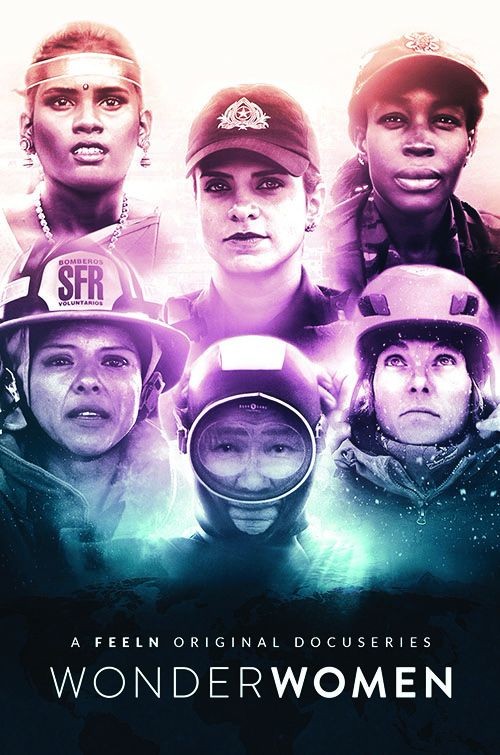
Flitcraft and fellow CSUMB alumna Lorraine Cardoza (CART, ‘14) were members of the production team for the documentary series “Wonder Women” earlier this year. “Wonder Women” is a six-part, true-life series, highlighting women across the globe who accomplish extraordinary feats every day, challenging themselves and defying expectations. The series won the award for Outstanding Travel and Adventure Program at the 44th Daytime Emmy Awards this past April.
In our interview, we discussed Flitcraft’s keys to success, what she’s been up to since “Wonder Women” and her memories of CSUMB.
Aside from your work as a post-production coordinator on Wonder Women, what other projects have you been working on?
Flitcraft: While the Feeln production team worked on “Wonder Women,” we simultaneously worked on 2016 Oscar short-listed documentary “The Other Side of Home,” an incredible short documentary about the Armenian Genocide. From there, our team worked on a feature-length narrative film “August Creek,” which premiered on the Hallmark streaming service this past August. Since I left Feeln, I spent time as the post-production producer on a Los Angeles-based web series, “Awkward Hot People” and have worked in various freelance environments. I am currently living in the Sonoma area, and am in the writing process for a series that I plan to begin production on in early 2018.
What is the most satisfying or gratifying project you have worked on since graduating from CSUMB?
Flitcraft: I was commissioned to write and direct a very impactful short film called “Don’t Look Away” about the homeless community of San Diego for Think Dignity, a nonprofit organization based in San Diego. I was able to work with people living on the streets to shape a split-screen look at a day in the life of a person living on the streets beside a person living in a house. The video premiered at a gala for Think Dignity where money was raised to fund the services that Think Dignity provides, such as mobile showers, legal counsel and storage facilities for the homeless community of San Diego.
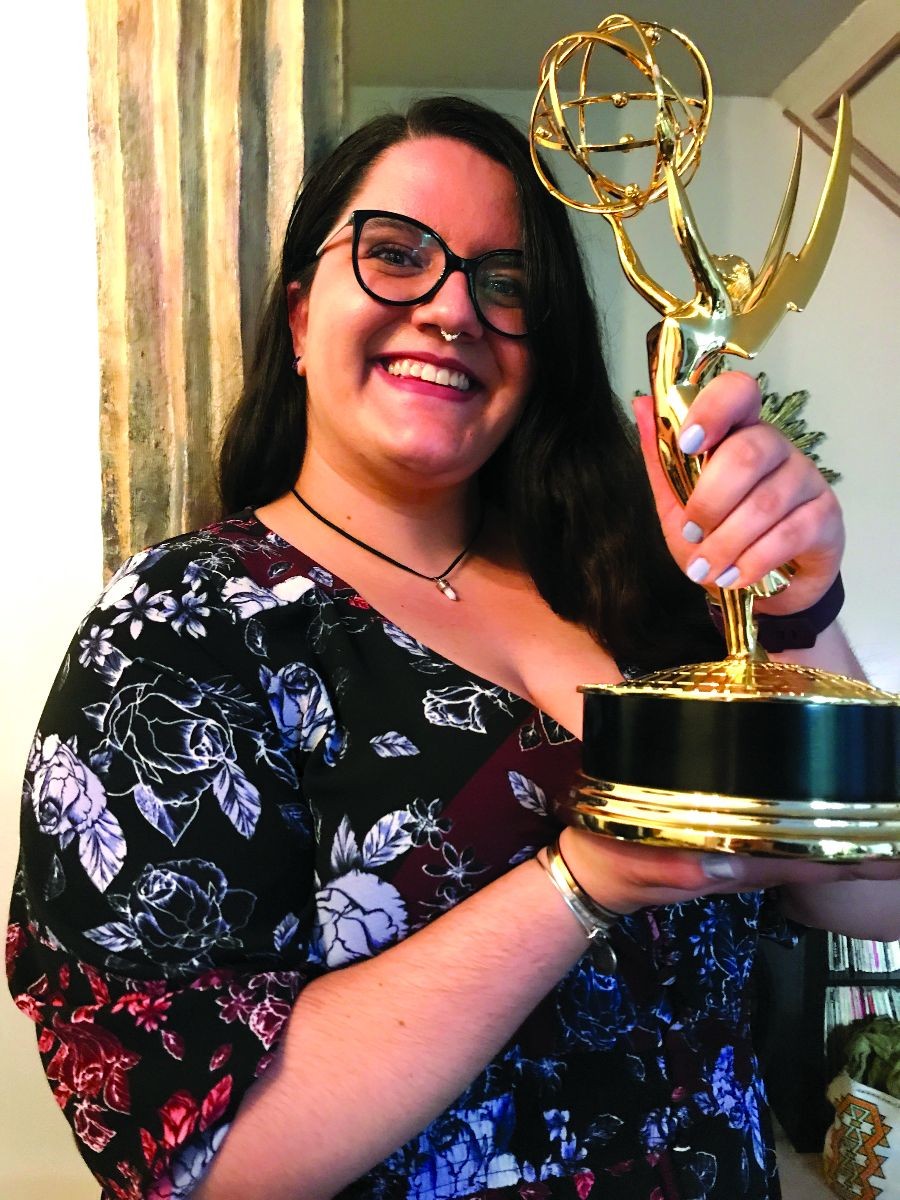
How did CSUMB prepare you for the work you are doing now?
Flitcraft: CSUMB gave me an open platform to shape my voice and discover the messages that I want to share with my films. I always think back to my capstone course with professor Luis Camara, when he showed us photos from his childhood and challenged the class to find our individual paths by looking inside ourselves. When asked what my individual “lens” made the world look like, everything opened up. My capstone film “Please Tell Someone, Dear” is proof of that realization. Once I got my finger on the pulse of a topic that I was passionate about, I was able to fully immerse myself in the project. CSUMB taught me to dive into every project fully and to do everything with passion.
Do you have any words of encouragement for students or anyone else hoping to break into the film industry?
Flitcraft: Every person has their own path. Honestly, I’m not sure what looks like to “break into the film industry.” I’ve just been following my own path and was in the right place at the right time. I started out as an intern working on “Wonder Women,” and after a few months of hard work, once I had gained some confidence in my role, I approached my producer and told her why I thought that I should be the post-production coordinator for the series. She promoted me the following week. I have learned that when you are confident in what you do, others will put their faith in you. Be patient, that confidence does not come overnight; it takes a lot of courage and persistence.
Is there anything else you would like to add about yourself, your work or your love for CSUMB?
Flitcraft: I want to add a BIG BIG BIG shout-out to fellow CSUMB alumna, Lorraine Cardoza. “Wonder Women” would not have been possible without her incredible skills as an editor!
WE are Wonder Women.
Leaving His Mark
When Heriberto Marquez came to an open house at Cal State Monterey Bay as a high school senior, he knew very little about the place.
Then, he saw a listing for one class, which helped him make his college decision and put him on a path toward becoming a college professor.
The course was forensic anthropology, taught by Professor Ruben Mendoza, a founding faculty member at CSUMB.
Marquez had a long-standing interest in forensics, which began, in part, in response to a tragedy.
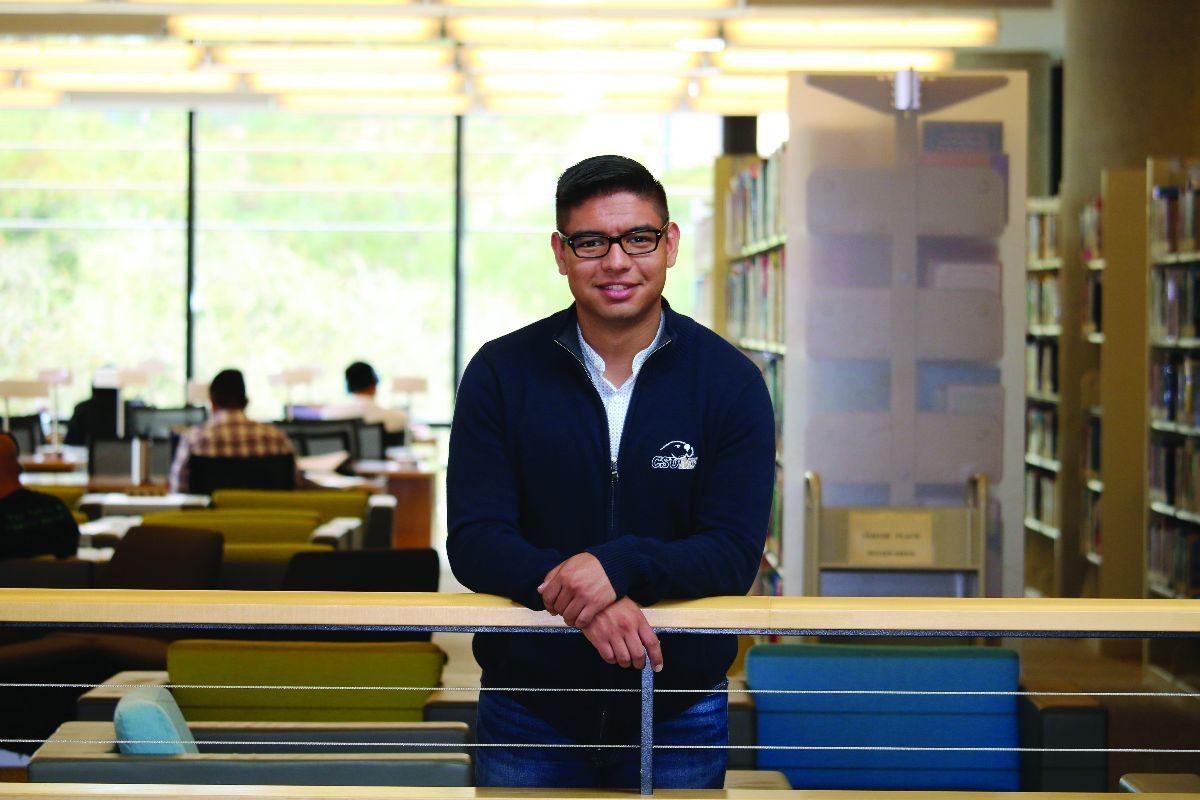
“When I was a freshman in high school, I lost my great-grandmother. That was the first real loss I felt. She was a person I was very close to,” Marquez said. “I started to think, wow, there is no guarantee that I will be here tomorrow. And that scared me a lot. For a couple of years in high school, I was terrified of this idea of death.
“Then forensics came into my life – the CSI shows and things like that. And I began to realize, that even when people leave this earth they leave something behind, they leave their bodies. And that’s what got me interested in forensics.”
UROC gave me the support I needed to get to the next level.”— Heriberto Marquez, UROC client
The good news is that Marquez chose a campus that was home to a recognized expert in forensic anthropology. The bad news is that there aren’t any other forensics classes in the CSUMB curriculum.
“I knew if this was something I wanted to pursue later in life, I needed another outlet that would allow me to pursue that goal,” the senior social and behavioral sciences major from Lindsay, Calif. said.
When Marquez learned about the Undergraduate Research Opportunities Center (UROC), he found the path toward an academic career.
“UROC gave me the support I needed to get to the next level,” he said.
He worked on archeological research at the UC Santa Cruz, and traveled to Peru to work with archeological researcher Tiffiny Tung of Vanderbilt University. He learned the many facts that centuries-old human remains could reveal – how people lived and died, and even, by analyzing teeth, what they ate at different stages of their lives.
The preservation of remains is crazy. We had heads where the hair is still attached to the scalp. Eyelashes still attached to eyelids. I had never seen anything like that.”— Heriberto Marquez
As a result of the dry Peruvian climate, Marquez said, “The preservation of remains is crazy. We had heads where the hair is still attached to the scalp. Eyelashes still attached to eyelids. I had never seen anything like that.”
Along the way, Marquez applied for the Sally Casanova Pre-Doctoral Scholarship, which helps prospective doctoral students with the goal of increasing the numbers of CSU faculty members from underrepresented groups.
Sitting in a Starbucks in Peru, Marquez signed onto his email and saw that he had been selected for the scholarship program.
“I freaked out. All the Peruvians looked at me like I was insane,” he said.
Marquez, who will graduate from CSUMB in December, is now applying to graduate schools.
President's Message
Dear friends of Cal State Monterey Bay,
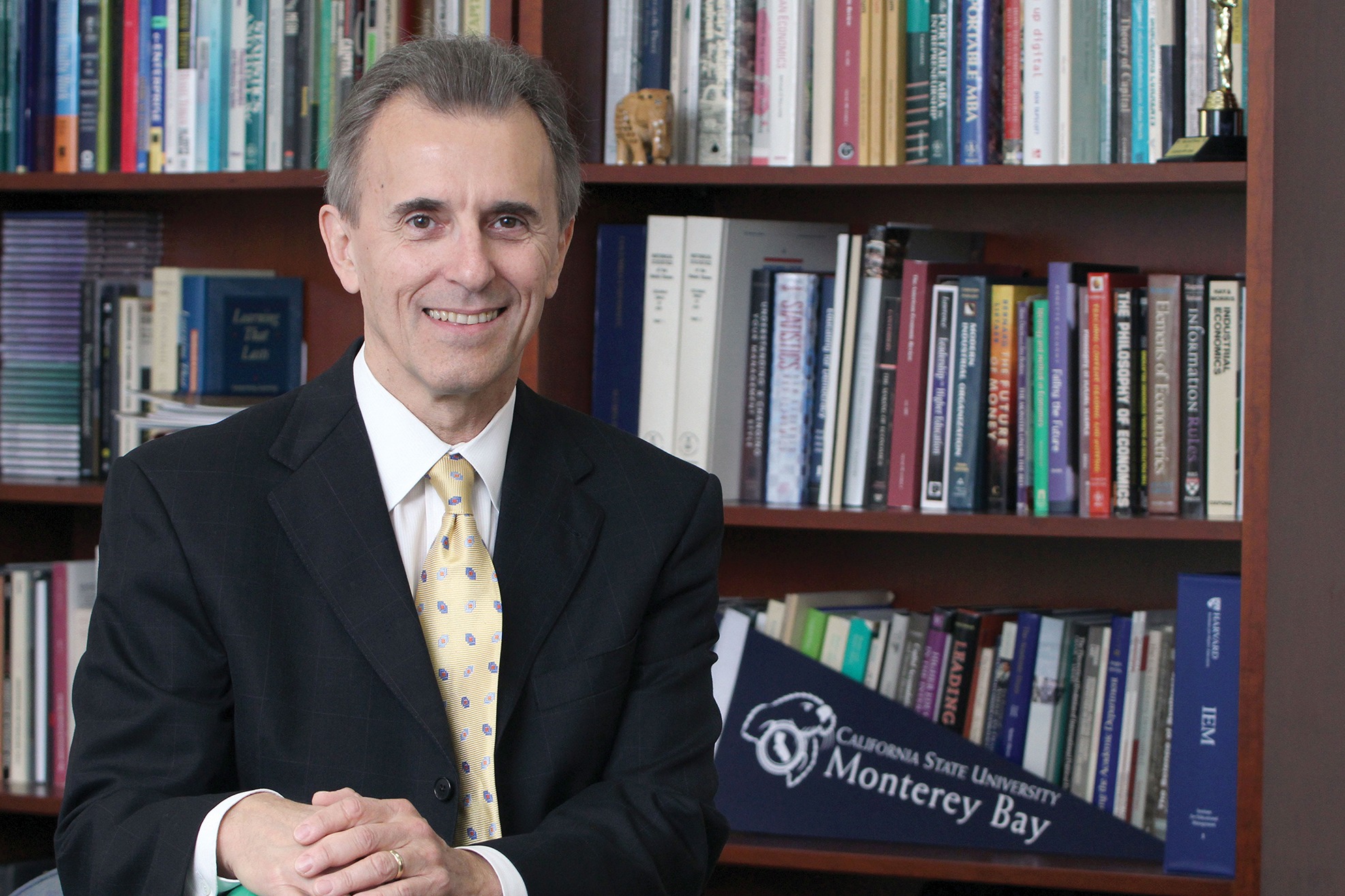
Anyone who has followed politics in recent years knows that America has become increasingly divided. The 2016 presidential election and its aftermath have highlighted that polarization.
It seems that many of us have stopped talking to each other. Instead, more and more people have retreated into their own social networks, where they exchange views, opinions, information (and frequently misinformation) with others who share their world view.
As a society, we need to find ways to reverse that corrosive trend.
At CSUMB, we want to help. We will serve as a neutral meeting place where people can come together to engage in respectful dialogue. Encouraging open conversations – both on our campus and in the broader community – is an important job of a public university.
CSUMB is holding a series of public forums about high-profile issues this academic year. Through these events and others, we hope to encourage individuals to build understanding and to seek common ground.
Particularly in these contentious times, colleges and universities need to reinforce the importance of engaging in inquiry-based discussions. As a society, we need to debate ideas, rather than engage in ad hominem attacks.
If higher education is to strengthen the civic foundations of our democracy, we must break out of our bubbles and reach out effectively to all parts of our communities.
Arts and cultural events are another way to bring diverse people together. This edition of the magazine reports on a new initiative that CSUMB is beginning – the Salinas Center for Arts & Culture at CSUMB @ Salinas City Center.
The goal is to serve as a cultural hub for the revitalized Salinas downtown area, sponsoring events, lectures and exhibits and highlighting local artists.
A university’s primary role is to provide education and research. However, its responsibilities go beyond that. We are also a community resource, bringing together people with different points of view and life experiences to listen to and learn from one another.
Sincerely,
Eduardo M. Ochoa, President